
Special Needs Trusts
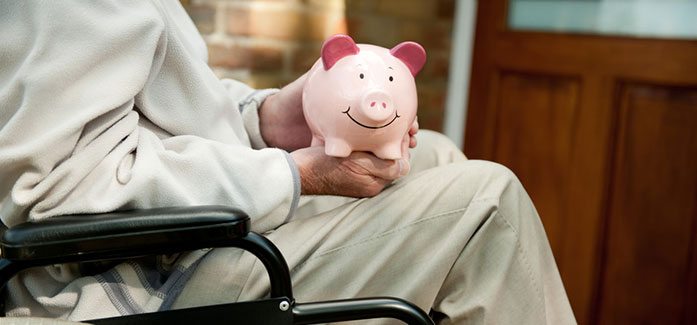
Pennsylvania authorizes ABLE Act accounts for the disabled
Many disabled individuals in the U.S. receive public benefits from programs that place restrictions on the dollar amount (typically $2,000) of assets a recipient can own. Medicaid and SSI are two examples. Federal and state law allow the establishment of certain...
Support the Special Needs Trust Fairness Act
A special needs trust holds assets (usually funds) for the benefit of a disabled person without affecting any public benefits the person may receive, such as SSI or Medicaid. Those assets can then be used for the disabled person’s benefit. Current law allows a...What is a “third party” special needs trust?
When someone uses his or her own money to set up a special needs trust (SNT for short) for another person, that’s called a “third party” SNT. It’s the best kind of SNT for two reasons. First, unlike a “first party” or “self settled” SNT (established with...What can a special needs trust pay for?
You may know that a special needs trust generally pays for the supplemental needs of the disabled, in order to preserve access to means-tested public benefits. But what are those supplemental needs? Commonly paid items Below is a list of items that are often paid for...What is a “self settled” special needs trust?
A “self settled” special needs trust is a particular type of special needs trust (SNT). In this post I’ll explain what it is, and when and how it is used. (For an explanation of SNTs in general, read this prior post.) First, some terminology. A self settled SNT...About Andrew Sykes
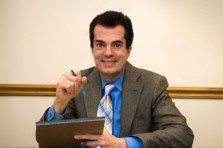
The founder of Sykes Elder Law, Andrew Sykes is recognized as a leading elder law authority in Pennsylvania. He is a Certified Elder Law Attorney with over 20 years of experience helping clients with estate planning, estate administration, and Medicaid planning.